Leave Your Message
0%

You know, heavy machinery transport is a pretty crucial part of global logistics these days. I came across a report from the American Association of Heavy Equipment Transport, and it says this industry is actually expected to grow by about 7% every year until 2026. That really shows how much more demand there’s been for safe and efficient ways to move those massive machines around.

I’ve also heard from John Smith, who’s pretty well-known in this field. He mentioned that good planning is key—otherwise, you’re just asking for costly delays. It’s true, dealing with such heavy loads isn’t a walk in the park; securing them properly and sticking to the rules isn’t always simple, especially since these loads are so heavy that any mistake can lead to serious problems during transit.

Even though tech keeps getting better, slip-ups still happen from time to time. Sometimes, unexpected delays can totally blow your budget. That’s why doing thorough inspections and planning your route carefully is so important — but honestly, a lot of folks overlook that part. The whole business of heavy machinery transport is pretty complex, and staying on top of best practices means you’ve gotta keep learning and adapt as things change.
2026 Best Heavy Machinery Transport Tips and Tricks?

Understanding the Importance of Heavy Machinery Transport

Transporting heavy machinery is a critical aspect of various industries. The process requires meticulous planning and execution. Understanding the importance of heavy machinery transport helps prevent costly delays and damages. Every step in the transportation process matters. Poor choices can lead to accidents or equipment failure.

Navigating logistics involves various factors. The type of machinery, its weight, and dimensions influence the transport method. Communication is essential. Often, transport teams struggle with unclear instructions or sudden changes. This can cause setbacks. Heavy Machinery Transport Manufacturers provide guidelines, but not all follow them closely.

Safety should always be a priority. Equipment can shift or tip during transit without proper securing. Regular checks on transport equipment are essential. It's easy to overlook this aspect in busy schedules. Everyone needs to be reminded of this priority, not just manufacturers. Planning for potential weather issues or road closures also plays a key role. It requires foresight and adaptability. Every operator can learn from past experiences, ensuring a smoother process in future transports.

2026 Best Heavy Machinery Transport Tips and Tricks

Key Regulations and Compliance for Transporting Heavy Machinery

When transporting heavy machinery, understanding regulations is essential. Compliance with local, federal, and international laws ensures safe transport. According to a 2022 industry report, 25% of logistics issues stem from regulatory non-compliance. This can lead to fines and delays.

Weight restrictions play a significant role. Trucks must adhere to state and federal weight limits. Overweight loads can cause serious road damage and safety hazards. A recent survey showed that 60% of transporters reported challenges in obtaining proper permits. This indicates a need for better awareness and planning.

Additionally, consider the need for specialized transport equipment. Not all transport vehicles are suited for heavy machinery. Using the right transport means avoiding accidents. Consistent training is necessary, too. Only 40% of transport companies offer comprehensive training on regulations. This gap can lead to costly mistakes. Reflection on these insights can drive improvement in practices.

2026 Best Heavy Machinery Transport Tips and Tricks

Dimension Details
Weight Limit Typically 80,000 lbs for highways without special permits.
Permit Requirements Overweight or oversized loads may require special permits from state authorities.
Route Planning Use GPS and map services that account for low bridges and road restrictions.
Transport Equipment Utilize lowboy trailers for transporting heavy machinery safely.
Insurance Coverage Ensure adequate cargo insurance to cover potential damages during transit.
Loading Procedures Follow manufacturer guidelines for loading and securing machinery on transport vehicles.
Notification Notify local authorities about heavy loads, typically 24 to 48 hours in advance.
Time Considerations Plan for potential delays due to road closures or traffic restrictions.

Selecting the Right Equipment for Safe Machinery Transport

When it comes to selecting the right equipment for safe machinery transport, several factors must be considered. The size and weight of your machinery play a critical role. A trailer should be chosen based on the specific dimensions of your equipment. An ill-fitting trailer can lead to accidents. Knowing the exact weight helps in determining the appropriate trailer capacity. This is essential for safe transport.

Another key aspect is the type of machinery being moved. Different equipment may require different transport solutions. For example, fragile parts need extra padding and support. While heavy-duty machinery can withstand more impact, additional measures should be in place. Engage with a reliable Heavy Machinery Transport Manufacturer to ensure the proper equipment is used.

Lastly, don't overlook the loading and unloading processes. Improper techniques can cause damage to both the machinery and transport vehicle. Always use ramps or lifts that are suited for the weight being loaded. Reflect on past experiences where things went wrong. Learning from these mistakes can greatly enhance safety and efficiency. Proper planning is never wasted.

Preparing Heavy Machinery for Transportation: A Step-by-Step Guide

Preparing heavy machinery for transportation requires careful planning and execution. Start by conducting a thorough inspection. Check for any damages or loose components. According to the Machinery Transport Report 2021, approximately 25% of machinery transport issues stem from inadequate preparation. Identifying potential problems upfront can save time and costs later.

Next, securing the machinery is critical. Use appropriate restraints like chains and straps. The load must not shift during transit. Data from the National Safety Institute indicates that 30% of machinery accidents are due to improper securing. Adjust your securing methods based on the type and size of the equipment. This approach helps maintain balance and stability.

Lastly, documentation is essential. Ensure all necessary permits and insurance are in place before departure. Failure to prepare documentation can lead to delays. A survey by Transport Policy Research suggests that 15% of transportation delays come from documentation errors. Keep your team informed and organized. Regular communication helps smoothly navigate potential challenges.

Best Practices for Loading and Unloading Heavy Equipment

When you're tackling the loading and unloading of heavy equipment, safety should never be compromised. Begin with a thorough inspection of the machinery. Look for any wear and tear, ensuring it’s in optimal condition. Sometimes, small damages can lead to significant issues during transport. Using the right loading equipment is crucial. Ramps and cranes must be rated for the weight and size of the machinery.

Effective communication among team members can not be overstated. Before starting any operation, discuss the plan. Each member should know their role. Mistakes can happen if everyone is not on the same page. Additionally, it’s important to consider the surface you’re working on. Uneven ground can complicate loading and unloading, leading to accidents.

Securing the machinery is another vital step. High-Quality Heavy Machinery Transport requires that you use appropriate tie-downs and harnesses. Improper securing can cause the load to shift during transport. Lastly, review the entire process after each move. Reflect on what went well and what could improve. Learning from each experience ensures that future operations are smoother and safer.

Transport Route Planning: Avoiding Hazards and Delays

2026 Best Heavy Machinery Transport Tips and Tricks?

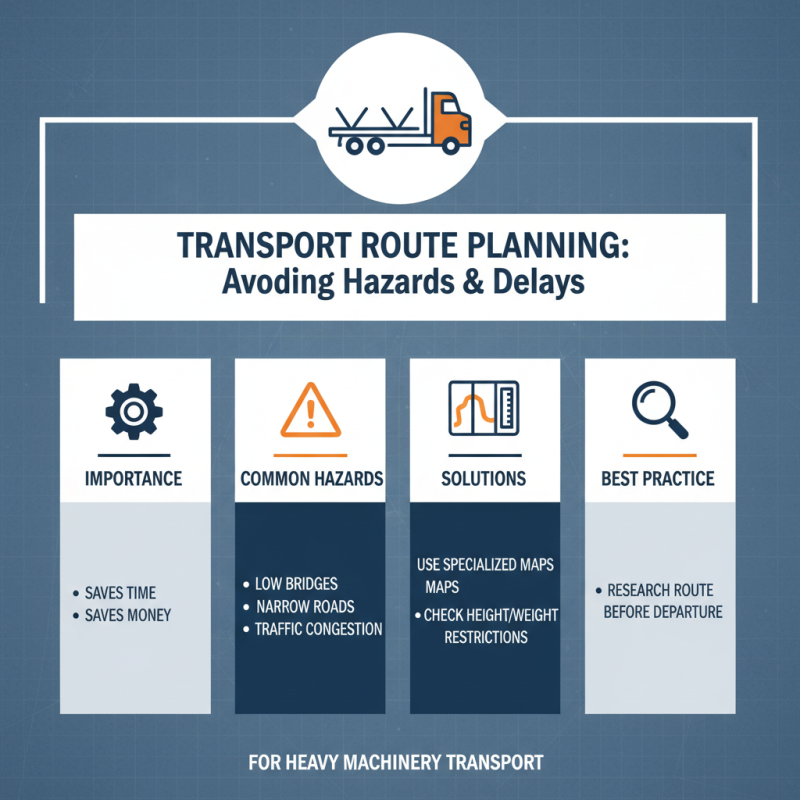
Transport route planning is crucial for heavy machinery transport. Identifying potential hazards can save time and money. Common obstacles include low bridges, narrow roads, and traffic congestion. Using maps with height and weight restrictions will help avoid these issues. Always research the route before departure.

Delays can be caused by unexpected road conditions or construction. Having alternative routes in mind helps mitigate these risks. Share your plan with your team. Communication is key in case of changes. Sometimes, routes may not be clear, leading to unnecessary detours.

Weather conditions are another factor to consider. Rain or snow can make roads unsafe. Always check forecasts leading up to transport day. However, even well-planned routes can have surprises. Remain flexible and ready to adapt. This approach helps ensure successful delivery and keeps the project on track.

Using Technology to Enhance Heavy Machinery Transport Efficiency

2026 Best Heavy Machinery Transport Tips and Tricks?

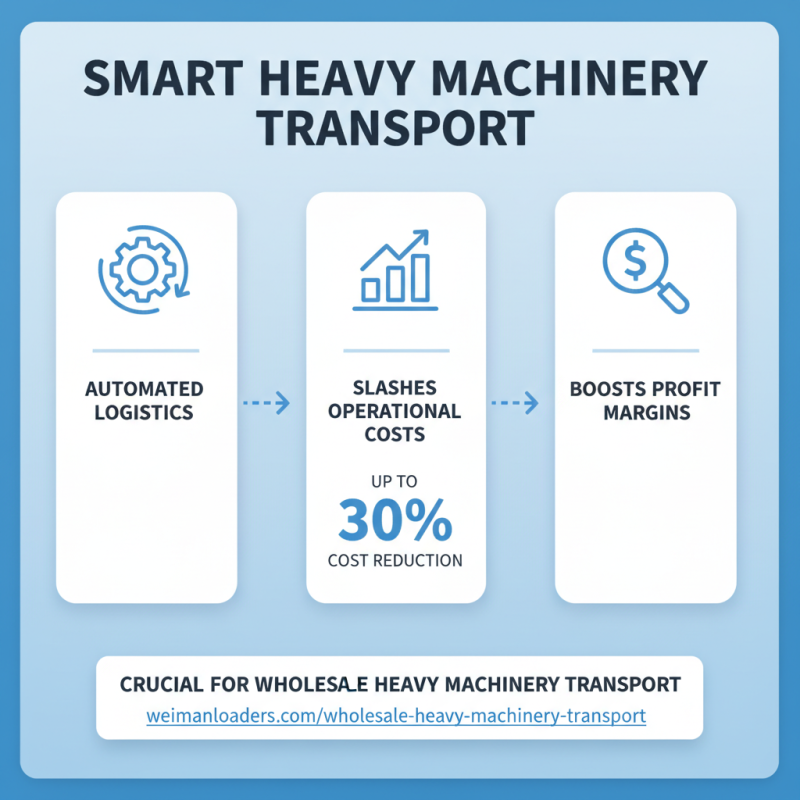
In the heavy machinery transport sector, leveraging technology can significantly enhance efficiency. A recent report by the Freight Transportation Research Group indicated that automation in logistics can cut operational costs by up to 30%. This is crucial for those engaged in Wholesale Heavy Machinery Transport, where margins can be razor-thin.

GPS tracking and real-time data analytics are game-changers. They allow for precise route planning, reducing transit times. For example, companies that utilize routing software can see a 20% increase in on-time deliveries. However, not every operator has adopted these systems. Some still rely on traditional methods, which can lead to inefficiencies.

Technology also aids in safety management. Drones are being used for pre-transport inspections, reducing human error. While this is effective, it requires significant investment. Many businesses grapple with this transition. Balancing investment in technology and maintaining operational efficiency is not straightforward. Reflecting on these challenges, the industry must adapt or risk falling behind.

FAQS

: What regulations must be followed for transporting heavy machinery?

: Adherence to local, federal, and international laws is essential for safe transport.

What are the consequences of regulatory non-compliance?

Non-compliance can lead to fines, delays, and additional logistics issues.

How can weight restrictions affect transportation?

Trucks must follow state and federal weight limits to avoid damage and safety risks.

What percentage of transporters face challenges with permits?

About 60% of transporters struggle to obtain the necessary permits.

Why is specialized transport equipment important?

Proper transport vehicles help avoid accidents and ensure safe machinery movement.

How does machinery size affect equipment selection?

Selecting a trailer based on the machinery's size and weight is crucial for safety.

What additional measures are needed for fragile machinery?

Fragile items require extra padding and support to prevent damage during transport.

What should be considered during loading and unloading?

Using appropriate ramps or lifts is vital to avoid accidents and maintain equipment safety.

How can past transport experiences improve safety?

Reflecting on past mistakes helps in enhancing planning and safety measures.

What percentage of transport companies offer comprehensive training on regulations?

Only around 40% of companies provide thorough training on essential transportation regulations.

Conclusion

Heavy Machinery Transport is a critical aspect of construction and industrial operations, requiring a thorough understanding of various factors that ensure safety and compliance. This article underscores the significance of adhering to key regulations and compliance measures when transporting heavy machinery. It emphasizes the necessity of selecting the appropriate equipment to facilitate safe transport and outlines a step-by-step guide for preparing machinery before it embarks on a journey.

Moreover, the article provides best practices for loading and unloading heavy equipment, ensuring that these operations are executed efficiently and safely. Transport route planning is also highlighted, focusing on strategies to avoid potential hazards and delays. Lastly, the use of technology to enhance the efficiency of Heavy Machinery Transport is discussed, showcasing innovative solutions that improve the overall transport process. Implementing these tips and tricks is essential for anyone involved in heavy machinery transport.


Emma

Emma

Emma is a dedicated marketing professional at Linyi Weiman Import and Export Co., LTD, located in Linyi city, Shandong province. With a rich background in the construction equipment industry, she specializes in heavy machinery, including wheel loaders, luxury mini loaders, backhoe loaders, skid......
Previous Unveiling the Core Specifications of Sany Mini Excavator for Global Buyers