 Wheel Loader
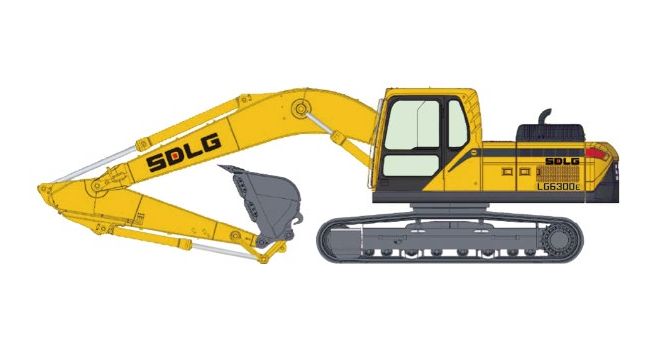 Excavator
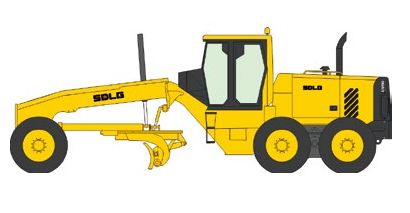 Motor Grader
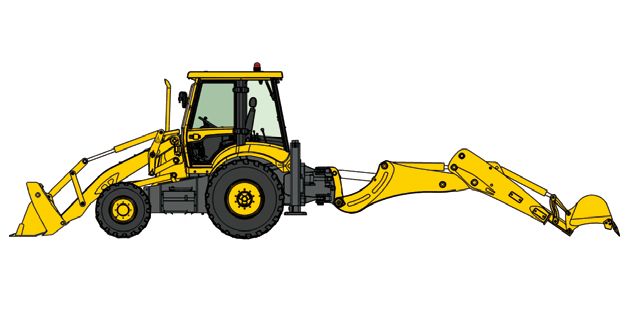 Backhoe Loader
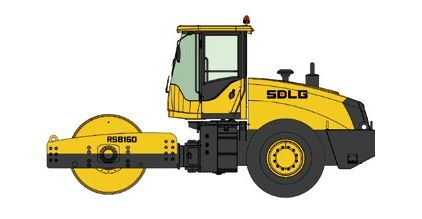 Road Roller
 Spare Parts
Leave Your Message
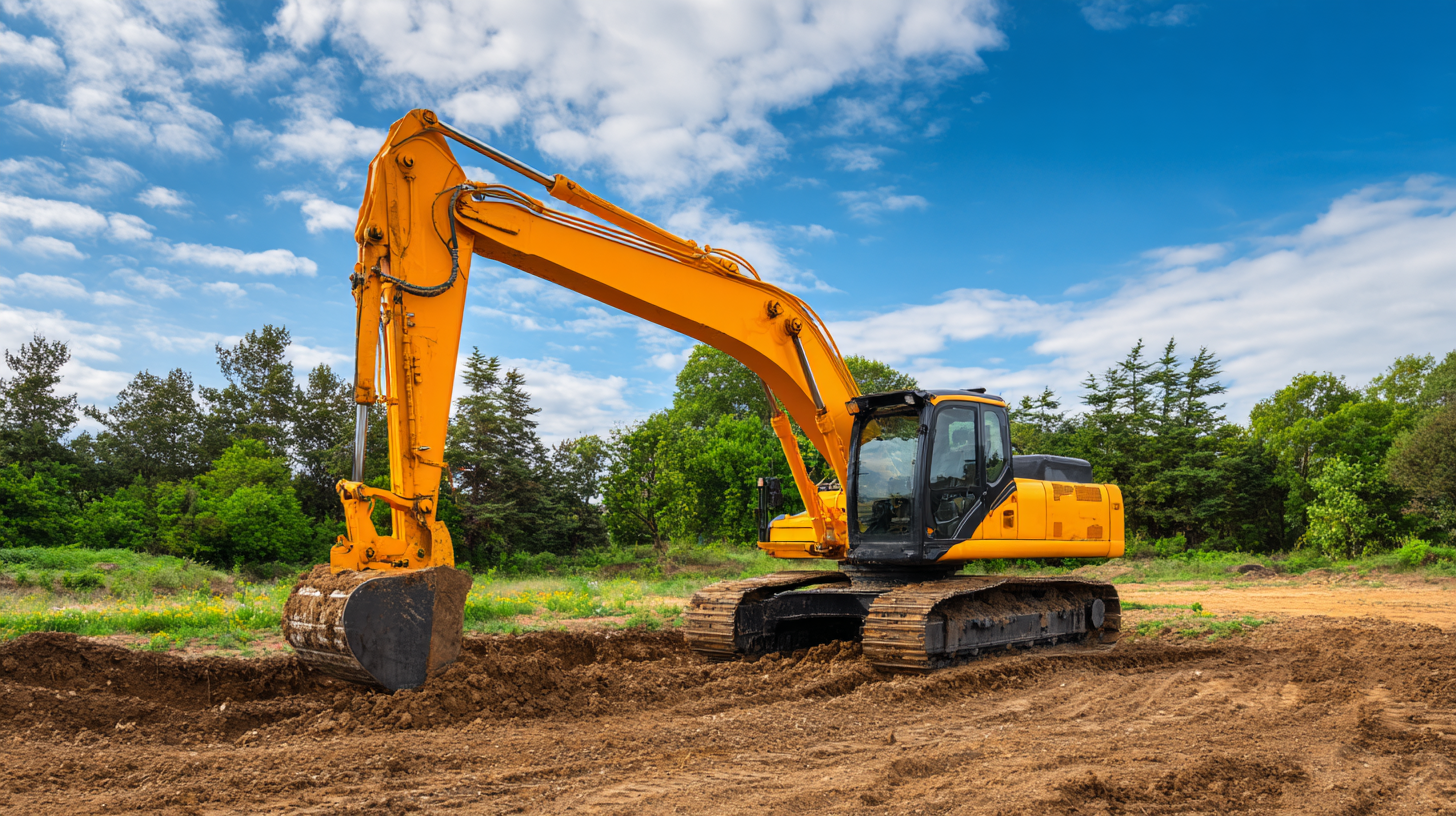
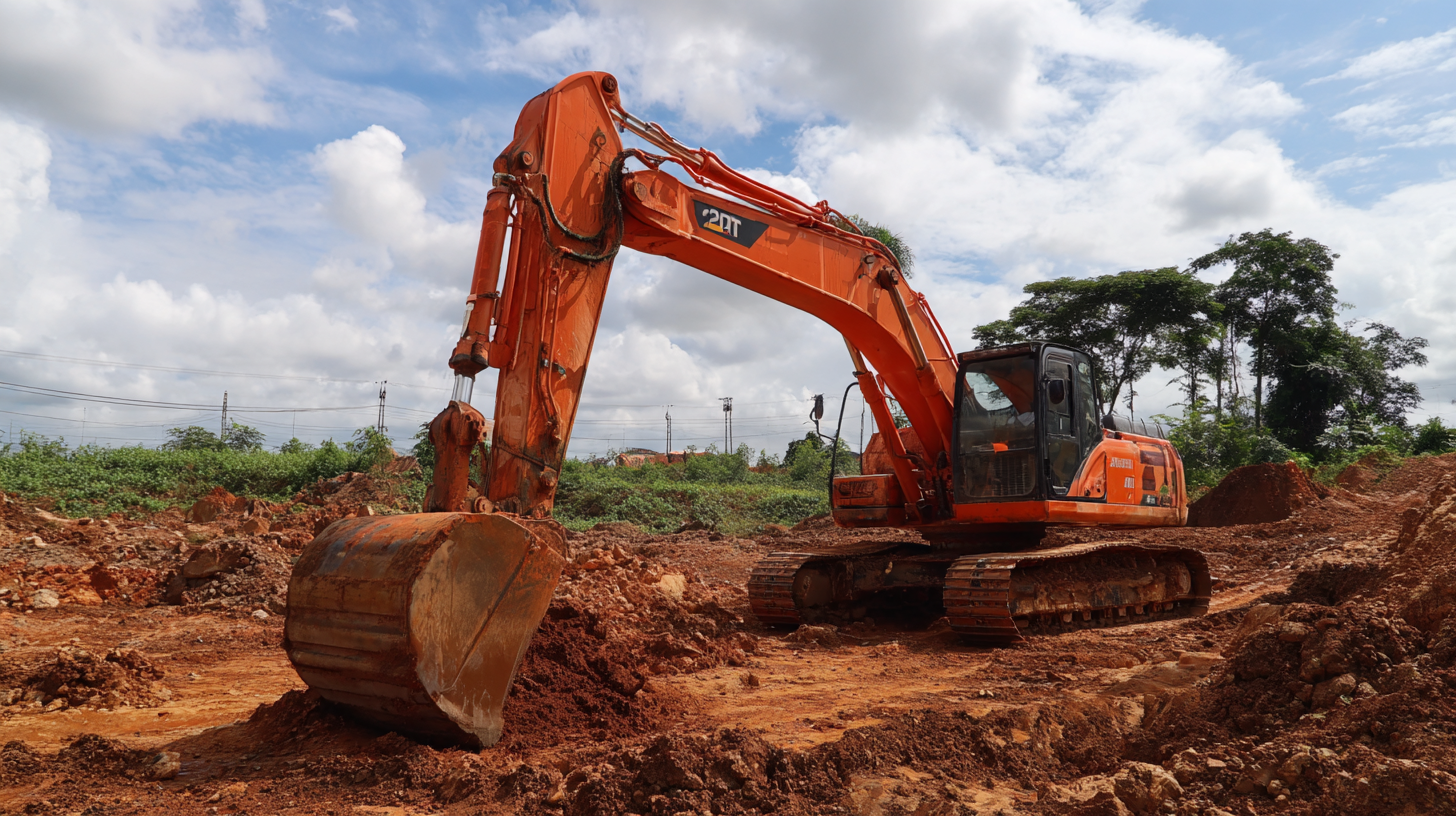 Starting a construction project? Choosing the right local excavators can really make a huge difference—both in getting things done smoothly and keeping costs in check. Honestly, industry reports show that the market for construction equipment is expected to grow around 5% annually between 2020 and 2025. That means more demand for reliable machinery out there. As projects get more complex, it’s become super important to pick excavators from trusted local suppliers. It’s all about making sure your project finishes on time and you’re managing resources wisely.
At Linyi Weiman Import and Export Co., LTD, we get how tricky it can be to find the right heavy construction equipment, including excavators, that fit both your project needs and budget. As a leading supplier in Linyi City, Shandong province, we’ve got plenty of insight on why going local with your excavator choice is a smart move for any construction firm. Local excavators aren’t just quick to support and service—they also cut down on transportation costs, which means better profits in the long run.
Plus, working with local suppliers like us helps you stay in tune with the local market. You can be more flexible and adapt easily to changing conditions. Making smart, informed decisions based on efficiency and costs can really give you an edge—especially in an industry that’s always evolving. So, yeah, when it comes to choosing your heavy equipment, going local is often the smarter way to go.
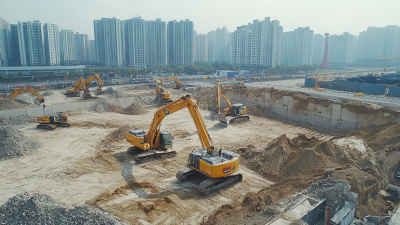
When choosing local excavators, understanding your excavation needs is crucial. Start by assessing the project scope, which includes not only the size and purpose of the excavation but also the specific requirements of the terrain. According to a recent industry report by the National Excavation Association, projects that adequately evaluate their terrain features tend to report a 30% reduction in unexpected costs. This highlights the importance of performing a thorough site analysis before selecting an excavator.
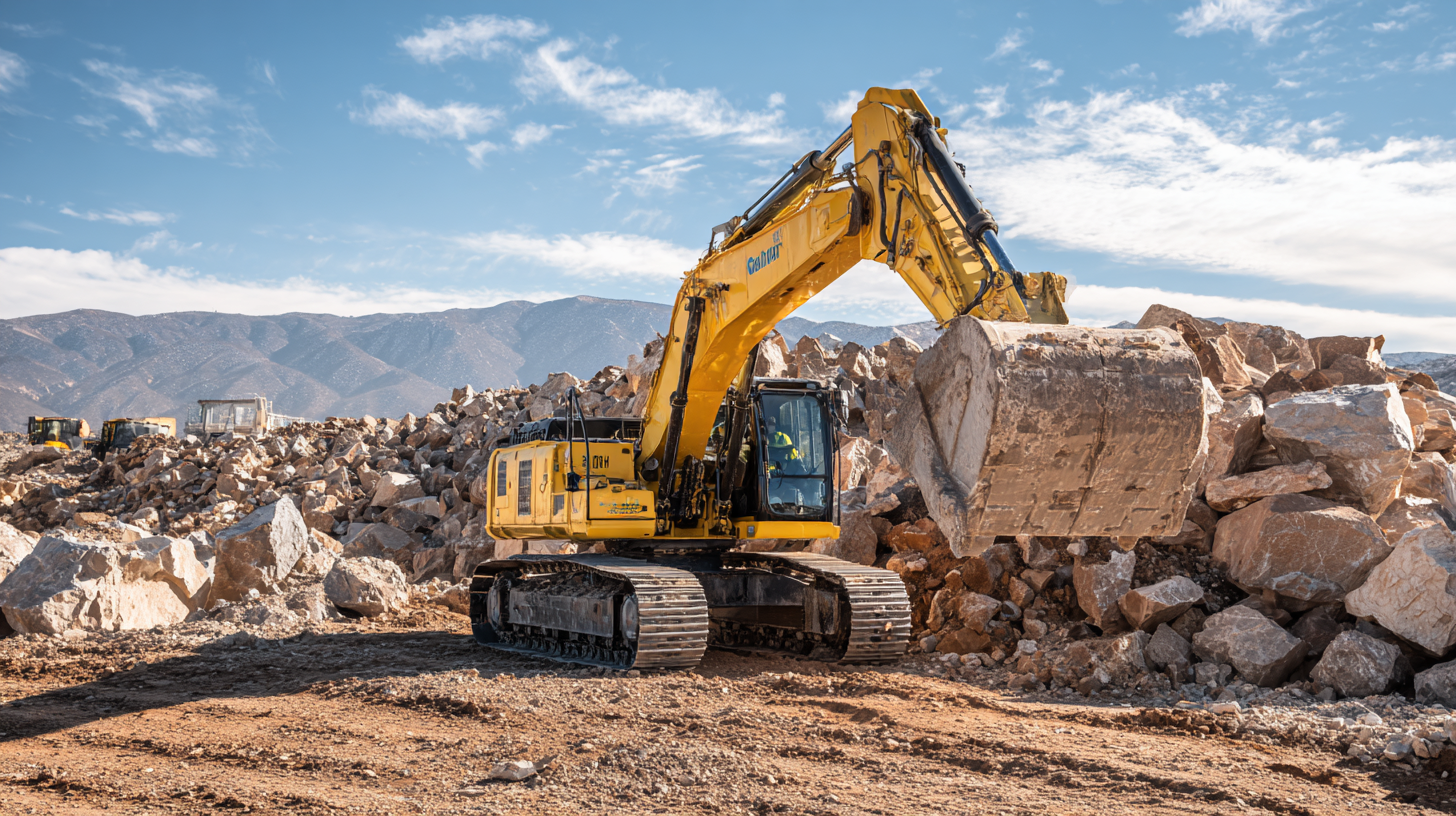
Terrain challenges can range from rocky surfaces to waterlogged areas, all of which can significantly impact excavation timelines and costs. For example, the same report indicates that improper assessment of soil type leads to delays in 25% of excavation projects. To optimize efficiency, ensure that your chosen excavator has experience with the unique challenges of your site.
Tip: Always request a detailed pre-excavation assessment from potential contractors, which can include surveying the land and providing insight on the best machinery for the job. Another essential tip is to consider the operator's experience with local conditions, as familiarity can greatly enhance project efficiency and reduce overall expenses.
The efficiency of excavators like the Volvo EC140D and EC210D models largely depends on the quality of their filtering systems. One crucial component that significantly enhances this efficiency is the original Volvo filter element, part number VOE 14688861. This OEM product is specifically designed to meet the high standards set by Volvo, ensuring optimal performance and longevity for your machinery. The excellent filtering performance of this filter element helps to prevent contaminants from entering vital engine components, thereby extending the service life of the excavator.
Crafted with precision, the Volvo filter element VOE 14688861 comes in a convenient single package size of 17X17X47 cm, weighing just 3.000 kg. When you choose this original part, you are investing in guaranteed quality that can withstand the rigorous demands of construction work. Proper filtering is essential not only for performance but also for maintaining the integrity of your engine, which can lead to reduced maintenance costs over time. Opting for this original filter element ensures that your EC140D or EC210D models operate at their best, ultimately enhancing productivity on the job site. If you have any questions about this product, our team is readily available to assist you.
: A proven track record indicates that the contractor is familiar with local conditions, regulations, and challenges, which can significantly impact the success of a project.
You can ask for reference projects that highlight their expertise and review online testimonials and ratings from previous clients.
Look for projects similar to yours that demonstrate their skills and problem-solving abilities, especially in your local area.
An in-person meeting allows you to assess their communication skills and professionalism, which are crucial for effective collaboration during the project.
Ensure they have relevant experience in the specific type of work you require, such as residential, commercial, or specialized projects like land grading or trenching.
Factors include regional labor rates, equipment availability, project complexity, local regulations, permitting processes, and geological conditions of the excavation site.
Challenging soil or rock types can require specialized equipment and techniques, potentially increasing both costs and project duration.
Local regulations and permitting processes can introduce additional time and costs, making it essential to evaluate these elements before commencing work.
Familiarity with the local environment helps in selecting appropriate techniques and equipment, ultimately reducing the risk of delays and managing costs effectively.
When selecting Local Excavators for your construction projects, it's crucial to first understand your specific excavation needs by assessing the project scope and the challenges posed by the terrain. Evaluating the experience of potential excavators is vital; a proven track record in local projects can greatly enhance the likelihood of successful outcomes. Additionally, comparing the types of excavators and their respective equipment can ensure optimal performance and efficiency tailored to your project's requirements.
Cost analysis is another important factor to consider, as various elements influence excavation expenses in your area. Ensuring that Local Excavators possess the necessary certifications is essential for compliance with local regulations and industry standards. Finally, gathering customer reviews provides valuable insight into the reliability of excavation services, ultimately guiding you toward making an informed decision. At Linyi Weiman Import and Export Co., LTD, we pride ourselves on being a top supplier of high-quality heavy construction equipment to meet these needs effectively.