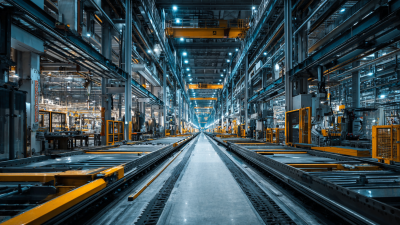
 In today's really competitive market, fine-tuning your machinery line isn’t
just a nice-to-have — it’s pretty much essential if you want to crank out
maximum efficiency and cut down on those annoying
breakdowns. A report from McKinsey & Company even shows that companies who get their equipment and
operations streamlined can see productivity jumps of up to 20%.
Here at Linyi Weiman Import and Export Co., LTD, we're well aware of how crucial advanced
machinery is for construction projects. We offer some of the best gear around — think
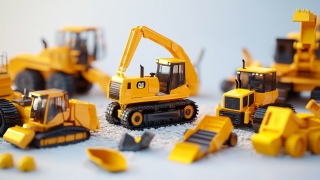
wheel loaders, backhoe loaders, and excavators — all designed to help
you work smarter, not harder. By keeping up with the latest trends and tech in the
industry, businesses can actually improve their machinery setups, save costs, and stick to project deadlines
better. Honestly, jumping on data-driven strategies and using cutting-edge
equipment is really the way to stay ahead and succeed in this tough market.
In today's really competitive market, fine-tuning your machinery line isn’t
just a nice-to-have — it’s pretty much essential if you want to crank out
maximum efficiency and cut down on those annoying
breakdowns. A report from McKinsey & Company even shows that companies who get their equipment and
operations streamlined can see productivity jumps of up to 20%.
Here at Linyi Weiman Import and Export Co., LTD, we're well aware of how crucial advanced
machinery is for construction projects. We offer some of the best gear around — think
wheel loaders, backhoe loaders, and excavators — all designed to help
you work smarter, not harder. By keeping up with the latest trends and tech in the
industry, businesses can actually improve their machinery setups, save costs, and stick to project deadlines
better. Honestly, jumping on data-driven strategies and using cutting-edge
equipment is really the way to stay ahead and succeed in this tough market.
Assessing Current Machinery Performance Metrics for Optimization
So, when it comes to construction sites, making sure your machinery is running smoothly is a big deal. It’s not just about avoiding unexpected breakdowns, but also about making everything more efficient overall. To do that, companies need to look at how their machines are performing right now—think of it kind of like checking your car’s dashboard. Thanks to recent advances in machine learning, we can now analyze huge amounts of data to get a clear picture. For example, in a recent study on soil classification, they used really smart support vector machines to evaluate performance, and those same techniques can be tweaked to monitor construction equipment in real-time. This means we can spot issues before they turn into costly problems and even predict when maintenance will be needed, which helps cut down on those annoying unplanned downtimes.
In the world of construction gear, relying on data-driven tools is becoming pretty much essential. We’ve seen how machine learning algorithms work wonders with optimizing solar power systems—so clearly, the same kind of tech can be super useful for heavy equipment too. By keeping an eye on things like how loads are handled and maintenance history, companies like Linyi Weiman Import and Export Co., LTD can develop smart models that tell them the best conditions for their machines to run at their peak. Using these tech tricks doesn’t just boost productivity; it also supports more sustainable practices by making sure machines aren’t wasting energy or wearing out too quickly. Bottom line—it's about working smarter, not harder, and saving some cash in the process.
Identifying Bottlenecks and Areas for Improvement in the Machinery Line
Figuring out where your production line is slowing down—that's a big deal when you're trying to run things smoothly and efficiently. You know how sometimes one little hiccup can hold up the whole process? Yeah, that’s what we call a bottleneck. To catch these trouble spots, it’s super helpful to keep an eye on performance data and just observe how everything’s flowing. Check out how each machine is doing—are there frequent stops or delays? Pay special attention to which machines tend to break down more often or need a lot of manual work to keep running.
Oh, and don’t forget—regular maintenance is your best friend here. It’s way better to prevent breakdowns than scramble to fix them later. For even better results, you could try out predictive maintenance—using fancy IoT gadgets to keep tabs on your machines in real time. This way, you get a heads-up if something’s about to go wrong, and you can nip issues in the bud.
Also, investing in proper training for your team can make a big difference. When workers know how to troubleshoot minor issues quickly, it means less downtime and fewer expensive repairs. Plus, fostering a culture where everyone feels comfortable suggesting improvements can help streamline your entire operation over time. All in all, a bit of attention and some smart strategies can really boost your line’s efficiency and keep things humming smoothly.
Implementing Predictive Maintenance Strategies to Minimize Downtime
Getting into predictive maintenance isn't just some fancy buzzword — it's actually a game-changer when it comes to keeping your machinery running smoothly and avoiding those pesky unexpected breakdowns. By tapping into data analytics and the latest monitoring tech, you can pretty much see a failure coming before it happens. This proactive approach not only helps you work more efficiently but also cuts down on those costly emergency repairs.
So, here’s a tip: start by installing some IoT sensors on your machines. They’ll give you real-time info on how everything’s performing. That way, you can analyze the data regularly, spot signs of wear and tear early, and plan maintenance when it’s most convenient — instead of waiting for stuff to break. Oh, and don’t forget to train your team on the latest predictive maintenance tools. The more they understand about the data, the quicker they can jump into action.
To really level up your game, set up a routine review process — maybe
weekly or monthly checks of your equipment’s performance metrics. This way, you catch any weirdness early on and can adjust your maintenance schedule as needed. Staying on top of these things means your machines stay in tip-top shape,
downtime gets minimized, and your overall productivity skyrockets. Trust me, this stuff makes a huge difference!
Enhancing Operator Training to Improve Efficiency and Safety Standards
Operator training really is a game-changer when it comes to making machinery lines run smoothly and safely. A solid training program gives operators the skills and know-how they need to handle equipment effectively, which honestly cuts down on those costly mistakes and downtime. It’s not just about the technical stuff, like knowing how to operate the machines or troubleshoot when things go wrong — it’s also about following safety best practices. When you combine both, you end up with operators who aren’t just productive but also committed to keeping everyone safe.
Plus, it’s super helpful to keep things fresh with regular refresher courses and hands-on practice. That way, operators stay confident and sharp. Encouraging ongoing learning really promotes a culture where safety and efficiency are part of the daily routine. When companies keep them in the loop with new techniques and tech updates, things only get better. And don’t forget, involving operators in giving feedback helps spot potential issues early on, leading to smarter solutions before problems even happen. Bottom line — investing in good operator training isn’t just a nice idea; it’s key for keeping things running smoothly and avoiding unnecessary downtime in the long run.
Leveraging Technology for Real-Time Monitoring and Adjustments
Nowadays, in the world of industry, staying on top of machinery with real-time tech is a total game-changer. Using advanced digital systems lets manufacturers keep an eye on how their equipment is performing all the time—kind of like having a continuous health check for machines—and honestly, it cuts down on downtime while boosting overall efficiency. For example, one study found that analyzing data in real time can improve how smoothly things run by up to 20%, since it allows folks to jump in and fix problems before things actually break down. It's a smart, proactive move that not only keeps operations running smoothly but also helps machines last longer—and that’s good news for the bottom line.
Plus, if you look at industries using smart tech, like AI and IoT in factories, it’s pretty clear: these innovations turn standard processes into pretty clever, intelligent systems. The Industrial Internet Consortium even pointed out that shifting to these smart manufacturing practices can cut operational costs by around 30% while cranking up production at the same time. Factories using these tools, especially those involved in smart city projects, make sure every part of the production line is under close watch, so they can make quick tweaks based on live data. Basically, by jumping on these practices, companies can boost their productivity and build more sustainable operations, which is pretty much essential in today’s tough, competitive market.
Establishing a Continuous Improvement Culture in Machinery Operations
 Building a culture of continuous improvement in machinery operations isn't just a nice-to-have—it's actually pretty crucial if you want things to run smoothly and avoid unnecessary downtime. When you foster this kind of environment, team members start feeling more encouraged to spot problems and share ideas. It’s like creating a space where innovation can actually happen, you know? And when employees feel empowered to suggest tweaks or improvements, everything tends to run a lot more seamlessly, cutting down on those annoying bottlenecks.
Here's a tip: try to hold regular team meetings where you talk about how things are going, look at performance numbers, and really ask for everyone's feedback. It’s a great way to get people involved and can really help uncover issues before they snowball. Plus, when everyone is on the same page and feels heard, it naturally encourages a problem-solving vibe — which leads to real improvements across the board.
Oh, and don’t forget about recognition. Picking a system to reward folks for their ideas and efforts can do wonders for motivation. When employees see that their contributions matter, they tend to take more ownership and stay committed to making things better.
A simple idea? Set up suggestion boxes or journals where team members can jot down their thoughts and ideas. And then, make sure management actually takes the time to review and act on these suggestions. It shows everyone that their input is valued, and that kind of collective effort really pushes the whole operation forward.
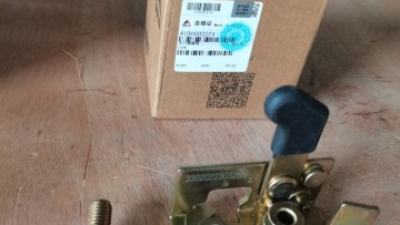
Enhancing Machinery Security: The Benefits of SDLG 4190002274 Left Door Lock Body NBS5530
In the realm of machinery security, the importance of reliable locking mechanisms cannot be overstated. The SDLG 4190002274 Left Door Lock Body NBS5530 serves as an essential component designed specifically for SDLG equipment, significantly enhancing overall security. According to a report by the Machinery Safety Association, nearly 30% of machinery accidents are attributed to unauthorized access or accidental door openings during operation. By implementing robust security solutions like the NBS5530 lock body, operators can mitigate these risks effectively.
The SDLG 4190002274 lock body is engineered with a robust locking mechanism, ensuring the left-hand door remains securely shut at all times. Its construction from high-strength, durable materials not only resists wear and corrosion but also withstands impacts that could compromise safety. In a study conducted by the National Institute of Machinery Safety, durability and reliability in locking mechanisms were identified as critical factors that reduce safety incidents by 40%. This emphasizes the need for quality components that do more than just fulfill a role but actively contribute to the safety and reliability of heavy machinery.
Installation and operation are also made user-friendly with the NBS5530, allowing for quick and efficient enhancements to existing machinery. Given the industry's growing focus on safety, the incorporation of advanced locking solutions is vital. The SDLG 4190002274 lock body exemplifies how machinery security can be augmented through high-quality engineering, ultimately leading to safer operational environments and improved equipment longevity.
FAQS
: Operator training is crucial for optimizing machinery lines as it equips operators with the necessary skills and knowledge to handle machinery effectively, reducing errors that can lead to costly downtime and ensuring a safe work environment.
A comprehensive operator training program should include both technical aspects, such as machine operation and troubleshooting, as well as best practices for safety protocols.
Regular refresher courses and hands-on training sessions can reinforce operator competence, boost confidence, and foster a culture of safety and efficiency.
Technology enables real-time monitoring and adjustments, allowing manufacturers to continuously observe equipment performance, significantly reducing downtime and enhancing efficiency.
Real-time data analytics can improve operational efficiency by up to 20% by enabling timely interventions before equipment failures occur, thus minimizing disruptions.
The adoption of AI and IoT technologies can transform conventional processes into intelligent systems, leading to a reduction in operational costs by 30% and an increase in production output.
Continuous operator education empowers workers with updated techniques and knowledge about new technologies, enhancing operational standards and promoting proactive solutions to potential challenges.
Investing in operator training is essential for achieving sustained efficiency and minimizing downtime in machinery operations, leading to long-term financial benefits for companies.
Involvement in feedback loops allows for the identification of operational challenges and promotes proactive solutions, thereby enhancing overall efficiency and safety standards.
Smart industrial applications transform conventional processes into intelligent systems capable of close monitoring and quick adjustments based on real-time data analysis, increasing overall productivity and sustainability.
Conclusion
In today's highly competitive construction world, making sure your Machinery Line runs smoothly is super important if you want to get the job done efficiently and avoid those annoying downtimes. It all starts with taking a good look at how your machinery is performing—spotting bottlenecks or areas where things could be better. Using predictive maintenance techniques can really save the day, helping you catch problems before they turn into costly repairs or unexpected breakdowns. And don’t forget about training your team — making sure operators are well-trained not only boosts productivity but also keeps everyone safe. Tech is a big help here too; real-time monitoring tools let you adjust operations on the fly, so things keep moving without a hitch. Plus, fostering a way of thinking that’s all about continuous improvement can lead to ongoing upgrades and innovations. As a leading supplier of heavy construction gear, Linyi Weiman Import and Export Co., LTD. gets that these strategies are key to staying ahead of the competition.
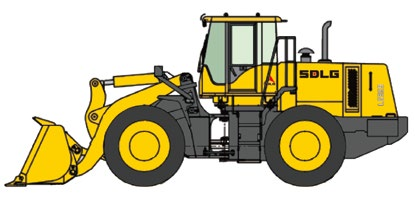 Wheel Loader
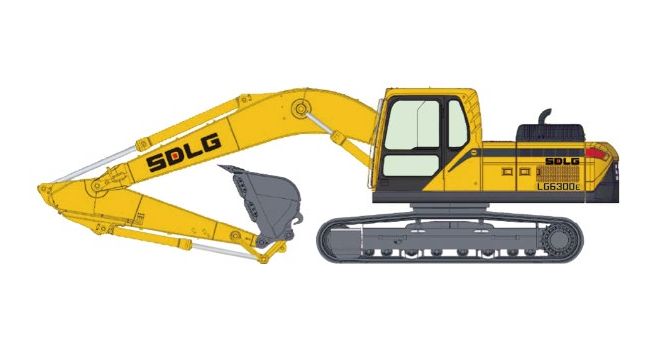 Excavator
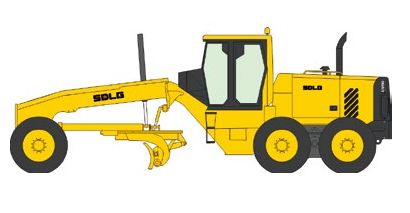 Motor Grader
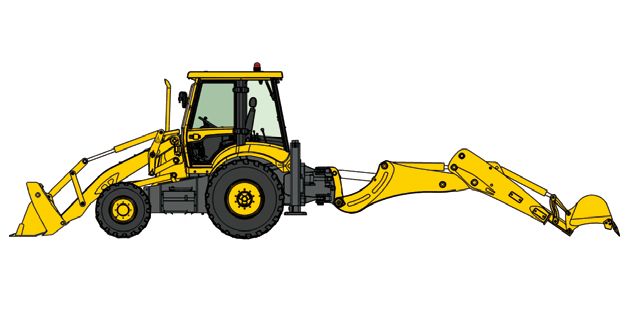 Backhoe Loader
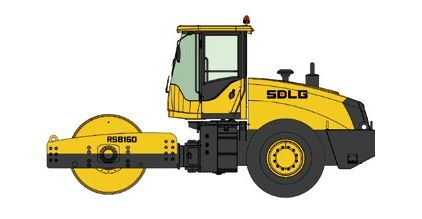 Road Roller
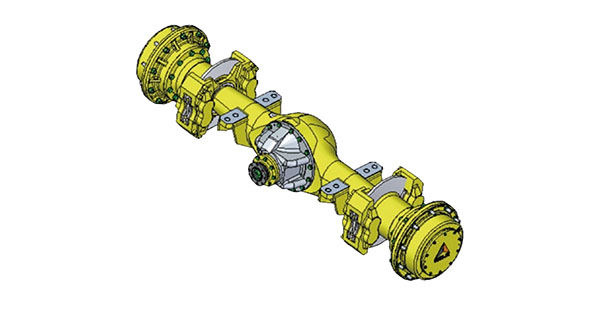 Spare Parts